Sod Soil Preparation Takeaways: Testing, Amendments & Selection
- Soil testing is essential before sod installation as it reveals key pH levels and nutrient content to guide proper soil preparation.
- The best soil amendments, such as compost and balanced fertilizers, boost organic matter and promote healthy turfgrass.
- Choosing the right sod and grass species depends on climate, sun/shade tolerance, and quality of the sod available.
- Step-by-step techniques including clear grading, tilling, and proper amendment incorporation lead to optimal sod rooting and establishment.
- Consistent watering, regular mowing, and post-installation maintenance are critical to a thriving lawn.
Why Is Soil Testing Essential Before Sod Installation?
Soil testing is essential before sod installation because it directly reveals the soil’s pH, nutrient levels, and organic content. What does soil testing reveal about pH and nutrient levels? It provides precise data on acidity or alkalinity and identifies deficiencies in nitrogen, phosphorus, and potassium. How to conduct soil testing: methods and professional services involve using DIY kits or hiring soil testing labs for advanced analysis. How do soil test results influence sod soil preparation? They guide the selection and amount of amendments required to achieve optimal growing conditions and pH balance, ensuring that quality turfgrass can establish fully.
What Are the Best Soil Amendments for Preparing Sod Soil?
The use of soil amendments before sod installation is critical to improve texture, drainage, and nutrient availability. How does compost improve soil quality for sod? Compost adds organic matter, increases water retention, and provides a slow-release nutrient supply. What types of fertilizers should you use for sod soil? Balanced fertilizers with macro and micronutrients, such as 10-10-10 formulations, generally benefit sod by promoting vigorous growth. When and how should soil amendments be applied? They should be incorporated into the top six inches of soil during site preparation before leveling for sod installation, ensuring an even nutrient distribution.
How Do You Choose the Right Sod and Grass Species for Your Climate?
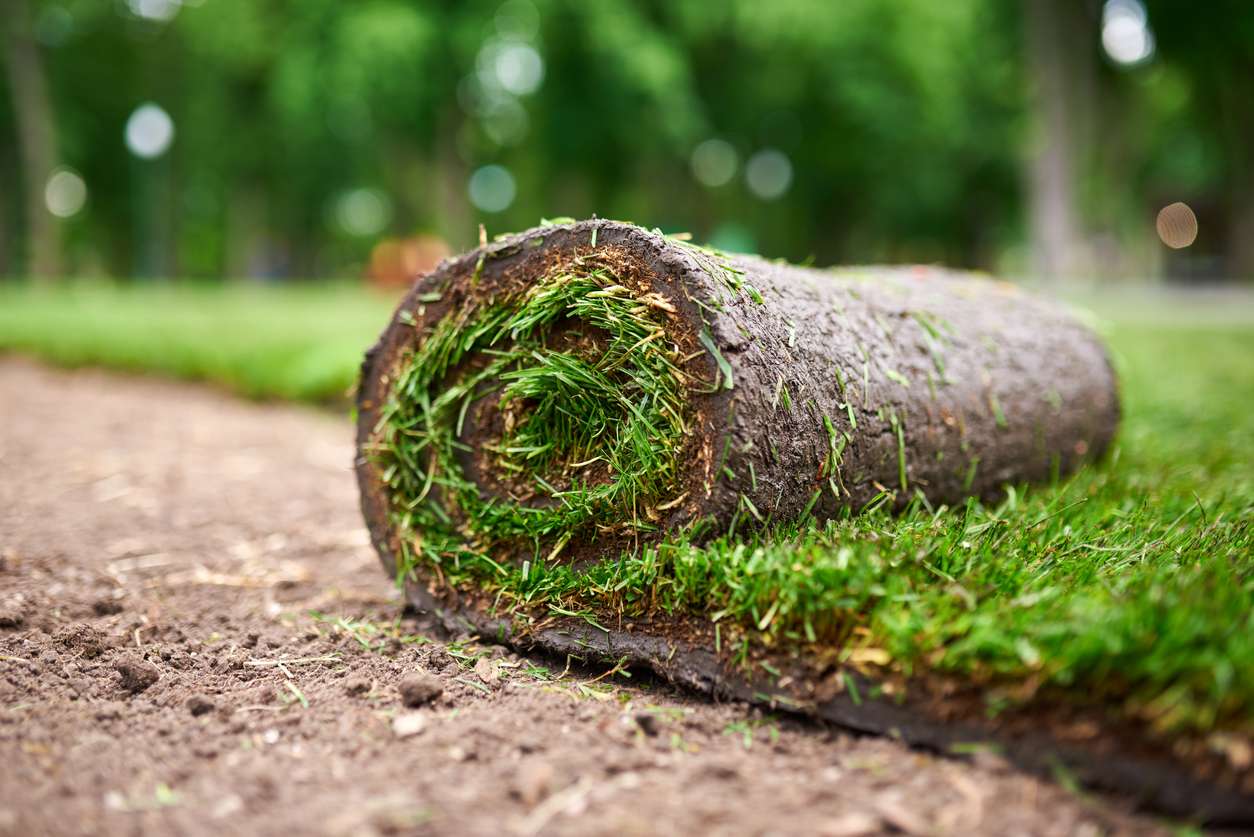
Choosing the right sod and grass species is crucial for lawn establishment and longevity. Which grass species are best for different sun and shade conditions? Varieties like Bermuda and Zoysia thrive in full sun, while fescues and St. Augustine perform well in shaded areas. What are the key sod characteristics to consider? Look for sod with dense, fibrous roots, vibrant color, and adaptability to local climates. Where can you source quality sod for your lawn? Local nurseries, sod farms, and landscape suppliers specializing in quality turfgrass can offer region-specific sod with guaranteed performance in various climates.
What Are the Step-by-Step Soil Preparation Techniques for Sod Installation?
The process of soil preparation for sod installation is systematic and methodical. How to clear and grade the site for optimal sod growth? Remove debris, old grass, and weeds, and then perform rough grading to achieve a level surface for proper water drainage. What is the proper way to till and level soil before laying sod? Thoroughly till the soil to break up compaction and level it with a rake while ensuring that the grading moves water away from foundations. How to incorporate soil amendments effectively? Evenly mix compost, fertilizers, and any pH adjusters into the soil. How to address soil compaction and drainage issues? Use aeration techniques such as core sampling or mechanical aerators, and add sand or organic matter to enhance drainage and root growth.
How Should You Install Sod for Best Results?
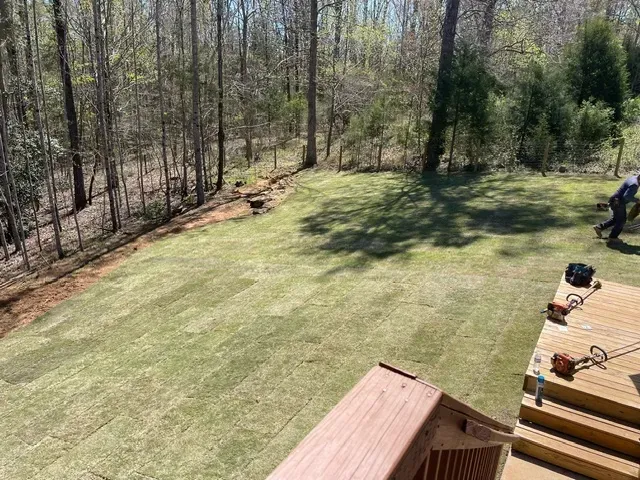
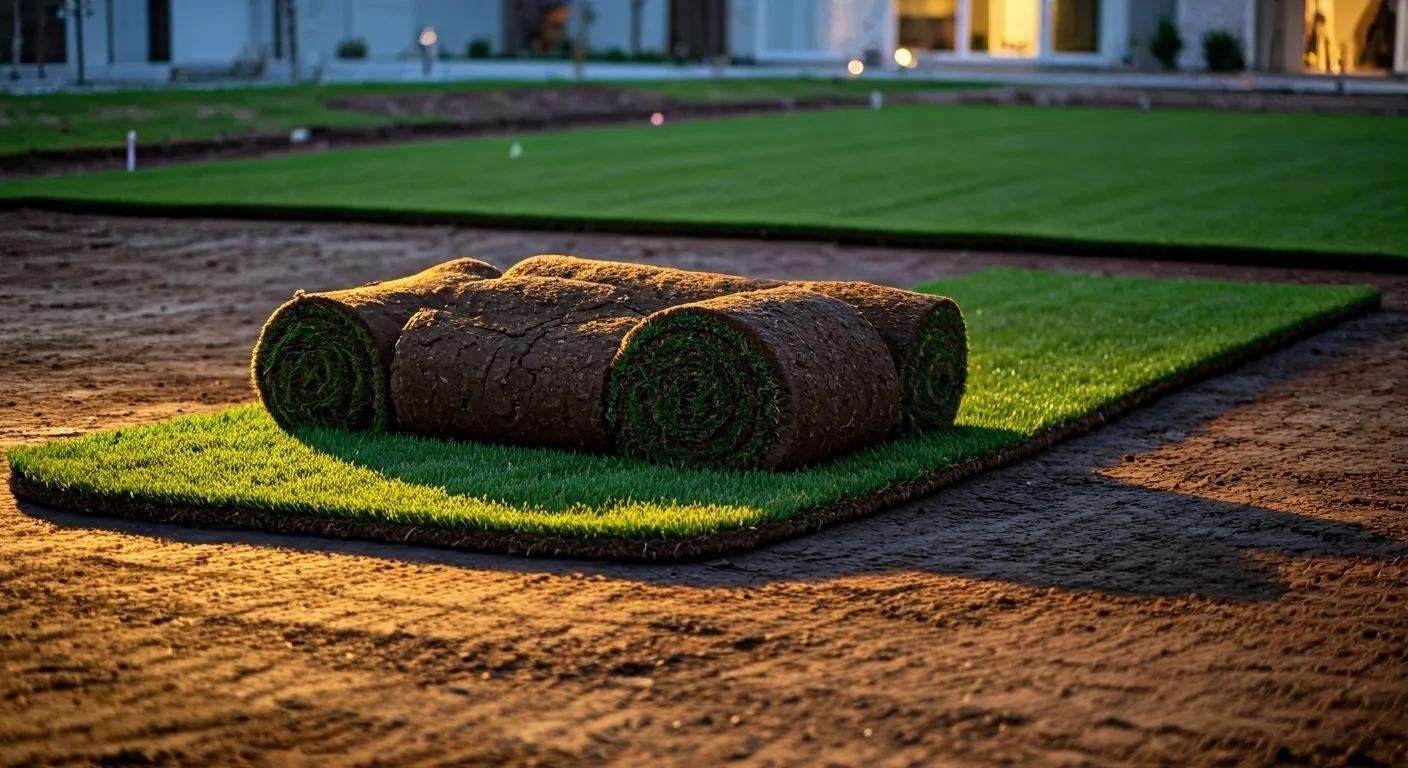
Quality installation of sod is the foundation for effective lawn establishment. What are the best practices for laying sod properly? Lay sod in a staggered, brick-like pattern with tight edges to prevent gaps that invite weeds. How and why should you roll and water new sod? Rolling helps to embed the roots into the underlying soil, while immediate, deep watering eliminates air pockets and starts the rooting process. How long does it take for sod to root and establish? Typically, sod begins to root within 10 to 14 days, with complete establishment taking up to 3 to 4 weeks under optimal conditions.
What Are the Essential Watering and Maintenance Tips for New Sod?
Post-installation care is vital for ensuring long-term turf health. How often and how deep should you water new sod? Water the sod lightly several times a day for the first week to keep it consistently moist, then switch to deep watering every 2-3 days. What is the ideal mowing height and schedule for a healthy lawn? Mow when the sod is firmly rooted and maintain a height of 2.5-3 inches to support robust photosynthesis and root development. When and how should you fertilize after sod installation? Fertilize 4-6 weeks after installation with a starter fertilizer to boost growth and build nutrient reserves for the turf. How can you control weeds and prevent common lawn problems? Use pre-emergent herbicides and proper mowing and watering techniques to discourage weed germination and support healthy turf.
How Do You Troubleshoot Common Sod and Lawn Issues?
Addressing common lawn issues promptly can save time and resources. What are the signs of sod diseases and how to treat them? Discoloration, soft patches, or a fungal odor are indicators of diseases, which can be treated with fungicides tailored for turfgrass. How to identify and manage lawn pests effectively? Look for irregular damage patterns or visible insects; integrated pest management practices and targeted insecticides often resolve infestations. What causes brown spots and how can you fix them? Brown spots typically result from water stress, shade, or pests; remedy these by adjusting irrigation, increasing soil aeration, and applying appropriate lawn treatments.
Table: Sod Installation Process Overview
| Step | Key Action | Benefit | Timeframe |
|---|---|---|---|
| 1 | Soil Testing & Amendment | Adjusts pH and nutrient levels for optimal growth | Pre-installation |
| 2 | Clearing and Grading | Creates a level, debris-free base with proper drainage | Day 1-2 |
| 3 | Sod Laying and Rolling | Ensures tight contact between sod and soil for rooting | Day 3 |
| 4 | Watering & Maintenance | Supports rooting and continuous growth | 1-4 Weeks |
Before laying sod, it is essential to follow each step diligently to prevent issues such as poor root establishment or uneven growth. The table above summarizes the main actions, benefits, and typical timeframes involved in a successful sod installation process.
Frequently Asked Questions
Q: Why is soil testing critical before sod installation?A: Soil testing identifies pH and nutrient deficiencies, guiding the appropriate amendments necessary for turfgrass establishment.
Q: How do compost and fertilizers benefit sod soil?A: Compost increases organic content and moisture retention, while balanced fertilizers supply essential nutrients, ensuring vigorous growth.
Q: What is the proper method for installing sod?A: Sod should be laid in a brick-like pattern, rolled to remove air pockets, and watered deeply to encourage quick rooting.
Q: How often should new sod be watered?A: Initially, water lightly several times a day, transitioning to deep watering every 2-3 days to promote strong root growth.
Q: What common issues might affect sod health and how are they managed?A: Sod may suffer from diseases, pests, or brown spots due to water stress, which can be addressed through proper maintenance, targeted treatments, and optimized irrigation.
Final Thoughts
Newly installed sod requires meticulous planning, systematic soil preparation, and careful selection of amendments and grass species. The techniques covered—from soil testing and grading to the precise installation and maintenance practices—ensure healthy root establishment and vibrant turf growth. By following proper guidelines and addressing common issues promptly, homeowners can achieve a lush, resilient lawn that adapts to local climates and conditions. A well-maintained sod installation not only enhances curb appeal but also provides endless enjoyment and environmental benefits over the long term.