New Sod Care for Lush Growth: Watering, Fertilizing & Maintenance
Establishing a lush, green lawn begins with proper sod care immediately after installation. Understanding the essential practices for watering, fertilizing, and maintaining new sod can significantly impact its growth and health. This article will provide you with comprehensive sod care tips, ensuring your new lawn thrives in the Upstate South Carolina climate. Many homeowners struggle with achieving a vibrant lawn due to improper care techniques, but with the right knowledge, you can cultivate a beautiful outdoor space. We will explore effective watering methods, fertilization practices, mowing guidelines, and general maintenance tips to help you achieve the lush growth you desire.
Watering
Watering is a critical component of sod care, especially in the initial weeks after installation. Proper watering techniques ensure that the sod establishes strong roots, which are essential for a healthy lawn. New sod requires consistent moisture to thrive, and understanding the right methods and frequency can make a significant difference in its establishment.
How Should You Water New Sod for Optimal Root Development?
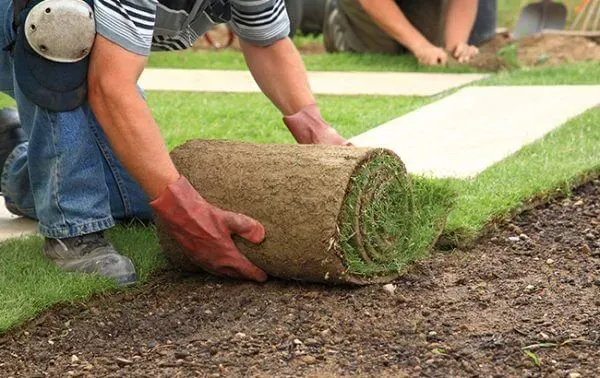
To promote optimal root development, new sod should be watered deeply and frequently. This means applying enough water to saturate the soil to a depth of 6-8 inches, encouraging roots to grow downwards. Watering should be done early in the morning to minimize evaporation and fungal diseases. Aim for about 1 to 1.5 inches of water per week, adjusting based on rainfall and temperature.
What Is the Recommended Watering Frequency and Volume for New Sod?
For the first two weeks after installation, it is recommended to water new sod daily. After this period, you can gradually reduce the frequency to every other day, and eventually to twice a week, depending on the weather conditions. Each watering session should deliver approximately 0.5 to 1 inch of water, ensuring the soil remains consistently moist but not soggy.
How Does Local Upstate SC Climate Affect Watering Needs?
The climate in Upstate South Carolina can significantly influence watering needs. During the hotter months, increased evaporation rates may necessitate more frequent watering. Conversely, during cooler or rainy periods, you may need to reduce watering frequency. Monitoring the weather and adjusting your watering schedule accordingly is crucial for maintaining healthy sod.
Fertilizing
Fertilizing newly installed sod is essential for promoting healthy growth and establishing a robust lawn. The right fertilizer can provide the necessary nutrients that support root development and overall lawn health.
What Are the Best Fertilizer Practices for Newly Installed Sod?
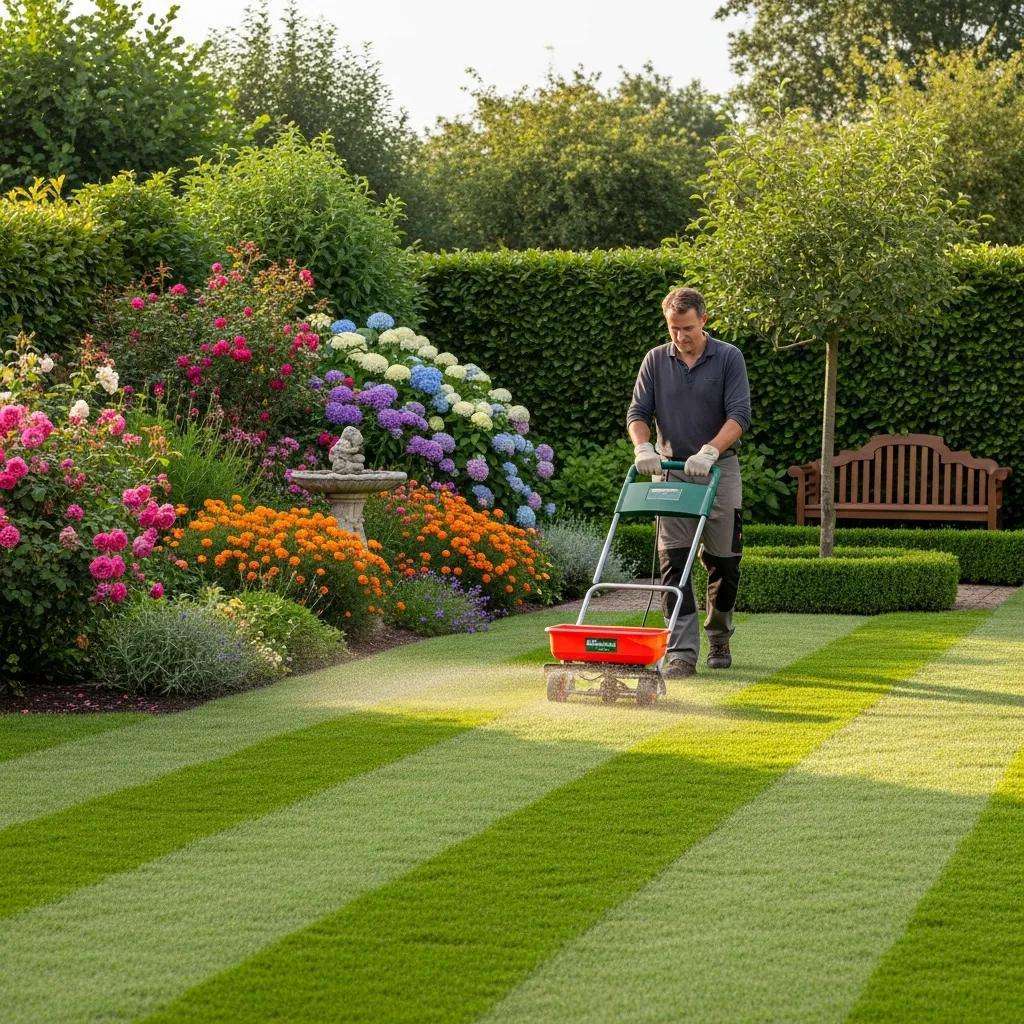
For newly installed sod, using a starter fertilizer that is high in phosphorus is recommended. This nutrient is vital for root development. Apply the fertilizer according to the manufacturer’s instructions, typically within the first month after installation. Avoid over-fertilization, as this can lead to nutrient runoff and damage to the sod.
When and How Should Fertilizer Be Applied After Sod Installation?
Fertilizer should be applied about 4-6 weeks after sod installation. This timing allows the sod to establish roots before introducing additional nutrients. Use a spreader for even application, and water the area lightly after fertilizing to help the nutrients penetrate the soil.
Which Fertilizer Types Support Healthy Sod Growth in Upstate SC?
In Upstate South Carolina, fertilizers with a balanced N-P-K ratio (Nitrogen-Phosphorus-Potassium) are effective. Look for products that contain slow-release nitrogen to provide a steady supply of nutrients over time. Additionally, organic fertilizers can improve soil health and promote beneficial microbial activity.
| Fertilizer Type | Nutrient Composition | Recommended Use |
|---|---|---|
| Starter Fertilizer | High in Phosphorus | For new sod installation |
| Slow-Release Fertilizer | Balanced N-P-K | For ongoing maintenance |
| Organic Fertilizer | Varies | To improve soil health |
Mowing
Mowing is another vital aspect of sod care that contributes to the overall health and appearance of your lawn. Proper mowing techniques can promote denser growth and prevent issues such as pests and diseases.
When and How Should You Mow New Sod to Promote Healthy Lawn Establishment?
New sod should not be mowed until it has rooted into the soil, which typically takes about 2-3 weeks. Once the sod is firmly established, mow it at a height of 3-4 inches. This height encourages deeper root growth and helps the grass retain moisture.
At What Sod Height Should Mowing Begin?
You should wait until the sod reaches a height of about 3-4 inches before mowing for the first time. Mowing too early can stress the grass and hinder its establishment. Regular mowing thereafter should maintain the grass at a height of 2.5-3 inches for optimal health.
What Are the Best Mowing Techniques for New Sod?
When mowing new sod, ensure that the mower blades are sharp to prevent tearing the grass. Mow when the grass is dry to avoid clumping and ensure an even cut. Additionally, vary your mowing pattern each time to prevent soil compaction and promote upright growth.
General Maintenance
General maintenance practices are essential for keeping your sod healthy and vibrant. Regular monitoring and care can prevent issues before they become significant problems.
How Can You Prevent Pests and Diseases to Maintain Sod Health?
Preventative measures are crucial for maintaining sod health. Regularly inspect your lawn for signs of pests or diseases, such as discoloration or wilting. Implementing integrated pest management (IPM) strategies, such as encouraging beneficial insects and using organic treatments, can help control pest populations.
What Are Common Sod Pests and Diseases in Greenville and Spartanburg SC?
In the Greenville and Spartanburg areas, common pests include grubs, chinch bugs, and armyworms. Diseases such as brown patch and dollar spot can also affect sod health. Identifying these issues early can help you take appropriate action to protect your lawn.
Which Integrated Pest Management Strategies Are Effective for Sod Care?
Effective IPM strategies include regular monitoring, maintaining healthy soil, and using resistant grass varieties. Additionally, applying organic pesticides as a last resort can help manage pest populations without harming beneficial insects.
By following these sod care tips, you can ensure that your new lawn thrives and remains lush throughout the growing season. For professional assistance with sod installation and maintenance, consider reaching out to experts like Sod Pros Landscaping, who specialize in providing quality services tailored to the unique needs of your lawn.